Common Misconceptions About End of Year Tax Accounting in Finland


Understanding End of Year Tax Accounting in Finland
As the end of the year approaches, many individuals and businesses in Finland start to think about their tax obligations. However, there are several common misconceptions that can lead to confusion. Understanding the truth behind these myths can help ensure a smoother tax season.
Myth 1: Only Businesses Need to Worry About Year-End Taxes
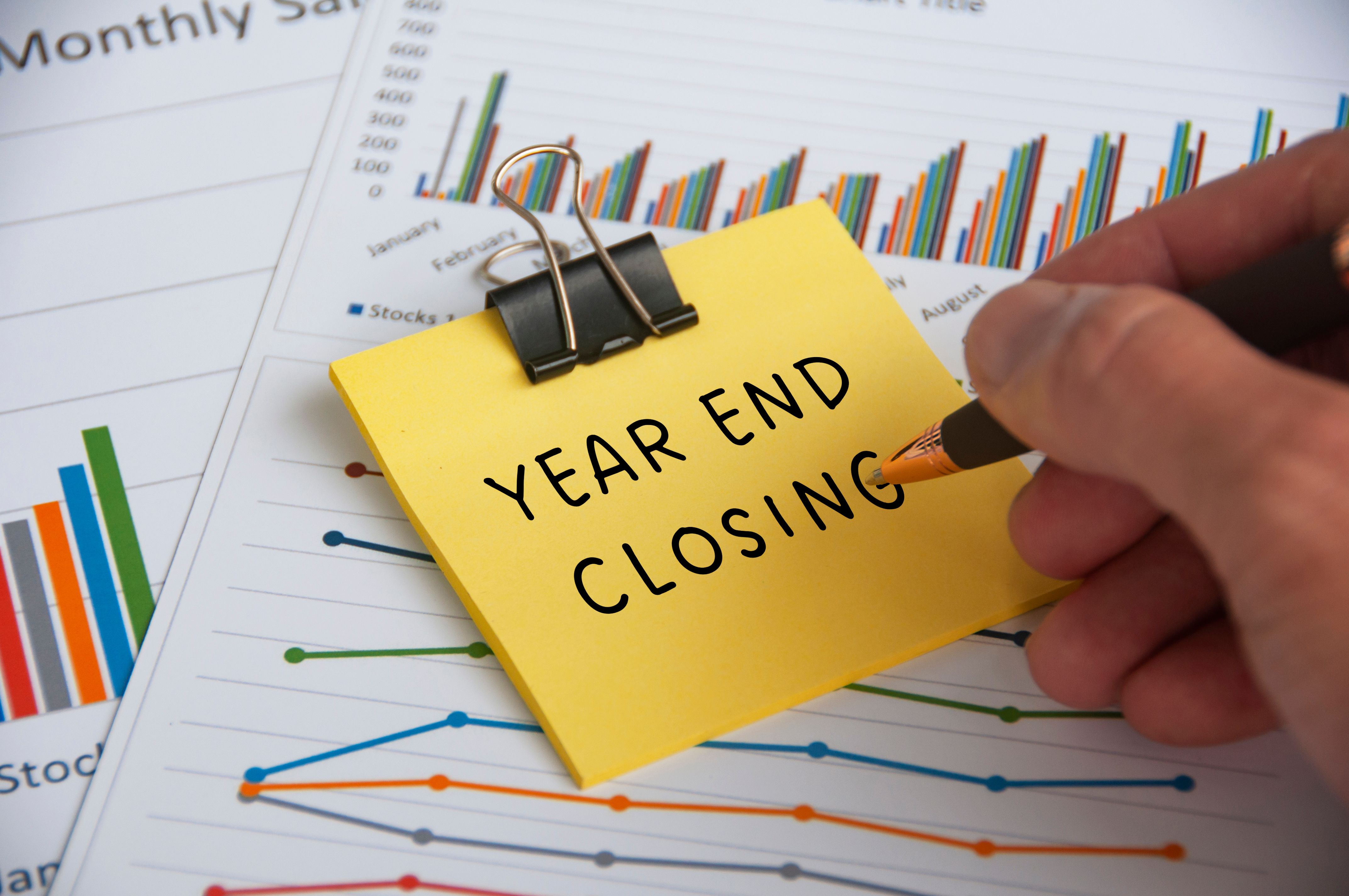
One prevalent misconception is that only businesses need to be concerned about end-of-year tax accounting. In reality, individuals also have responsibilities, such as reviewing their tax deductions and credits. Failing to do so can result in missed opportunities for savings.
For individuals, this may include ensuring that all income is accurately reported and checking if any tax-deductible expenses have been overlooked. Businesses, on the other hand, need to ensure their financial statements are in order and that all transactions have been correctly documented.
Myth 2: Tax Deadlines Are the Same for Everyone
Another common misconception is that tax deadlines are uniform for all taxpayers. In Finland, the deadlines can vary based on specific circumstances, such as the type of taxpayer or the nature of the income. It's crucial to be aware of the deadlines specific to your situation to avoid penalties.
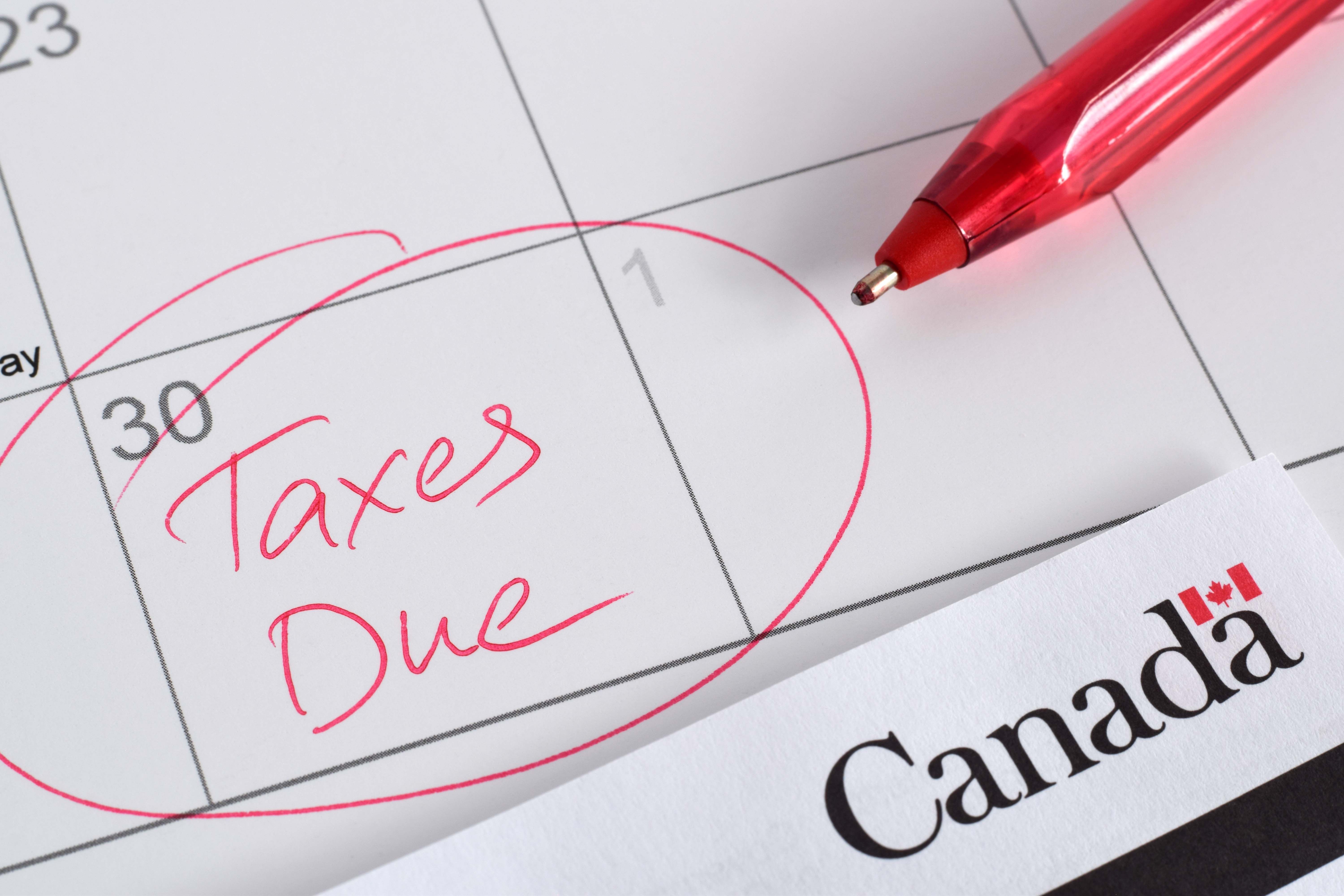
For instance, businesses may have different filing dates compared to individual taxpayers, and those with foreign income might face additional reporting requirements. Always consult the Finnish Tax Administration for the most accurate information.
Myth 3: Tax Software Handles Everything
While tax software can be a valuable tool, relying solely on it without proper understanding can lead to errors. It's important to have a basic understanding of tax laws and not to assume that software will catch every mistake. Reviewing entries and understanding the calculations is essential.

Additionally, complex situations such as international income or multiple revenue streams might require expert guidance. Consulting with a tax professional can provide clarity and ensure compliance with Finnish tax regulations.
Myth 4: Only Income Tax Matters at Year-End
Many people focus solely on income tax during the year-end period, overlooking other important taxes. In Finland, taxes such as VAT, corporate tax, and social security contributions are equally significant. Ignoring these can lead to unexpected liabilities.
Businesses should also consider any changes in tax legislation that may impact their obligations. Staying informed and proactive can help mitigate risks and ensure a comprehensive approach to year-end tax accounting.
Myth 5: Tax Planning Is Only for the Wealthy
Tax planning is often seen as a luxury reserved for the wealthy, but this is far from the truth. Everyone, regardless of income level, can benefit from strategic tax planning. Identifying potential deductions and credits can lead to substantial savings for both individuals and businesses.
Engaging in regular financial reviews and consultations with a tax advisor can aid in making informed decisions, ultimately leading to better financial health and compliance.
In conclusion, understanding these misconceptions and addressing them proactively can significantly ease the stress of end-of-year tax accounting in Finland. Staying informed and seeking professional advice can pave the way for a more efficient and effective tax season.